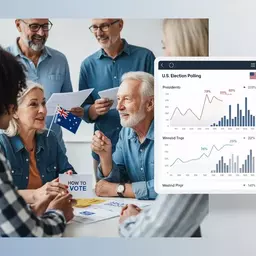
As we navigate the complex waters of international trade, consider how shifting tariffs might influence your spending habits and investment choices. What if the next price tag you see reflects changes in US trade policy?
What You Will Learn
Increased Costs: US tariffs can lead to higher prices on imported goods, directly impacting Australian consumers.
Market Shifts: Businesses may shift to local suppliers in response to rising import prices, affecting product availability.
Consumer Behavior Changes: Rising costs may drive Australians to prioritize local products and become more price-sensitive.
Impact on Economic Growth: Sustained tariff increases can contribute to inflation and stifle economic growth in Australia.
Investment Opportunities: Changes in US tax policies can open new avenues for Australian investors.
Expert Insights Matter: Engaging with experts can provide valuable perspectives on navigating the implications of trade policies.
Key Impacts of US Tariffs on Australian Consumers
An overview of how US tariffs influence prices, consumer behavior, and economic factors in Australia.
Prices of Imported Goods
Increased Costs: Higher tariffs mean businesses pay more, costs passed to consumers.
Market Shifts: Businesses may turn to local suppliers, affecting variety.
Economic Pressure: Increased prices can squeeze household budgets.
Consumer Behavior Shifts
Local Demand: Increased demand for local products as imports become pricier.
Brand Preferences: Consumers may favor brands offering better value.
Price Sensitivity: Shoppers become more conscious of prices when purchasing.
Impact on Cost of Living
Inflationary Pressures: Tariffs contribute to overall inflation.
Budget Adjustments: Households may need to reallocate spending.
Economic Growth: Sustained high tariffs can stifle economic growth.
Understanding the Impact of US Tariffs on Australian Consumers
As we delve into the complexities of international trade, it's essential to grasp how US tariffs affect Australian consumers. These tariffs are taxes imposed on imported goods, and they directly influence the prices we see on store shelves. With ongoing discussions about trade policies, understanding their implications is more important than ever for Australians!
For instance, when the US increases tariffs on specific products, it can make those goods more expensive in Australia. This ultimately leads to higher prices for consumers, creating a ripple effect throughout various sectors of our economy. Let’s break down how this affects us on a practical level. The Australian Department of Foreign Affairs and Trade (DFAT) provides valuable insights into the latest US tariffs and their potential implications for Australian businesses and consumers.
How US Tariffs Influence Prices of Imported Goods in Australia
US tariffs can significantly change the landscape of imported goods. Prices tend to rise, which can impact not just consumers, but also businesses that rely on these imports. Here’s a concise look at some key influences:
Increased Costs: Higher tariffs mean businesses pay more for imported goods, and these costs are often passed down to consumers.
Market Shifts: Some businesses may turn to local suppliers, which can affect the variety available to consumers.
Economic Pressure: Increased prices can squeeze household budgets, leading to changes in spending habits.
Understanding how these factors interplay is crucial for making informed purchasing decisions. At Democracy Today, we aim to keep you updated on these shifting dynamics and their relevance to everyday life in Australia.
Potential Changes in Consumer Behavior Due to Tariff Increases
When tariffs rise, consumer behavior often shifts as people look for ways to manage their budgets. This could lead to various changes:
Increased Demand for Local Products: As imported goods become pricier, many Australians might seek out local alternatives.
Shifts in Brand Preferences: Consumers may begin to favor brands that offer better value or lower prices.
Heightened Price Sensitivity: With rising costs, shoppers may become more conscious of prices when making purchases.
These shifts not only reflect how tariffs impact individual spending but also how they can affect broader economic trends. By staying aware of these changes, we, as consumers, can make more strategic choices. The Reserve Bank of Australia (RBA) has explored how tariffs might affect Australian trade, providing further context to these consumer behavior shifts.
Case Study: The Effect on Australian Beef Exports to the US
To illustrate the impact of US tariffs, consider the case of Australian beef exports. The US has historically been a significant market for Australian beef, but tariffs can greatly influence trade dynamics.
Tariff Increases: When tariffs on beef rise, Australian exporters face heightened costs, which can reduce competitiveness in the US market.
Market Reactions: These changes can lead US consumers to opt for cheaper alternatives or local beef, affecting demand for Australian products.
Long-Term Impacts: Prolonged tariff increases can alter Australia’s beef export strategies and pricing structures.
This case study serves as a clear example of how international tariffs have real-world consequences, not just for businesses, but for consumers as well. It’s crucial that we understand these dynamics to grasp how they affect our local economy.
Import Duties: Understanding Their Role in Consumer Costs
Import duties are a significant factor that contribute to the price of imported goods in Australia. These tariffs serve as a protective measure for local industries, but they also impact consumers directly. Here’s what you should know:
Cost Structure: Duties add to the overall cost, which can lead to higher retail prices.
Tariff Schedule: Different products face varying duty rates based on their classification, affecting how much consumers pay.
Trade Agreements: Changes in trade agreements can alter duty rates, impacting prices suddenly.
By understanding import duties and their role, consumers can make more informed choices about where to shop and what to buy. Awareness can empower us to adapt to changing market conditions.
The Impacts of Trade Policy on the Cost of Living in Australia
Ultimately, trade policies, including US tariffs, play a pivotal role in shaping the cost of living in Australia. As expenses change, so too does our everyday life. Here are some key impacts:
Inflationary Pressures: Increased costs from tariffs can contribute to overall inflation, making it more expensive to live in Australia.
Budget Adjustments: Households may need to reallocate spending as prices rise.
Economic Growth: Sustained high tariffs can stifle economic growth, leading to fewer job opportunities.
Understanding these impacts can help us anticipate changes and adapt accordingly. At Democracy Today, we are dedicated to keeping you informed about these developments so you can navigate the complexities of the US-Australia trade relationship!
Pro Tip
As you navigate the complexities of US tariffs and their impact on your purchasing decisions, consider prioritizing local products. Not only can this help you avoid increased costs associated with imports, but it also supports Australian businesses and promotes economic growth within your community.
Frequently Asked Questions about US Tariffs and Australian Consumers
How do US tariffs directly affect Australian consumers?
US tariffs increase the cost of imported goods, which businesses often pass on to Australian consumers through higher retail prices. This can impact household budgets and spending habits.
What changes in consumer behavior can be expected due to rising tariffs?
Consumers may increase demand for local products as imports become pricier, shift brand preferences towards better value options, and become more price-sensitive when making purchasing decisions.
How do import duties contribute to the cost of living in Australia?
Import duties add to the overall cost of goods, leading to higher retail prices and contributing to inflationary pressures. This can necessitate budget adjustments for households and potentially stifle economic growth.
Can US tax policies create investment opportunities for Australians?
Yes, changes in US tax policies, such as tax cuts, can create new avenues for Australian investors to enter the US market, offering potential for increased returns and diversification.
Why is staying informed about international trade policies important?
Staying informed helps consumers and investors anticipate market shifts, understand price movements, and make better financial decisions. It also provides context on how global policies impact the local Australian economy.
Summarizing the Key Takeaways on US Tariffs and Tax Cuts
As we reflect on the complexities of US tariffs and tax cuts, it's clear that both play a significant role in shaping the economic landscape for Australian consumers and investors. Understanding these dynamics is crucial for navigating the future. Here’s what I believe Australian consumers should keep in mind in the coming years:
Increased Prices: Expect rising costs on imported goods as tariffs affect pricing.
Shifts in Consumer Behavior: Australians may start prioritizing local products to avoid higher costs.
Investment Opportunities: Tax cuts can create new avenues for Australian investors in the US market.
These points suggest that consumers should be prepared for shifts in pricing and availability of goods, while investors might find new opportunities arising from changes in US tax policies. Export Finance Australia also highlights how diversified exports can insulate the economy even as US tariffs take effect.
What Australian Consumers Should Expect in the Coming Years
Looking ahead, Australian consumers will face a dynamic landscape shaped by international trade policies. With tariffs likely to remain a contentious issue, we can anticipate:
Higher prices on imported electronics and clothing.
Greater emphasis on locally sourced products.
Potential supply chain adjustments that could lead to product shortages.
It's essential for consumers to stay informed about how these shifts could impact their wallets. The more we understand, the better equipped we’ll be to make smart purchasing decisions!
The Strategic Path Forward for Investors in Australia
For Australian investors, adapting to US tax cuts can provide a strategic advantage. Here are some strategies to consider:
Invest in US Markets: Take advantage of favorable tax conditions to maximize returns.
Diversify Investments: Look beyond traditional markets to mitigate risks associated with economic fluctuations.
Stay Agile: Regularly reassess your portfolio in response to changing US policies.
By keeping these strategies in mind, Australian investors can position themselves to benefit from the ongoing shifts in the global economy, ensuring their investments remain robust and resilient.
Understanding Economic Growth and Its Relevance to Australian Consumers
A key takeaway from our discussions is how intertwined US policies are with economic growth in Australia. Consumers should be aware that:
Economic Growth Affects Jobs: As the US economy grows, it can lead to increased demand for Australian exports.
Consumer Confidence: A stronger US economy often translates to improved consumer sentiment in Australia.
Investment in Infrastructure: Growth can lead to more investments in local economies, benefiting everyone.
Understanding these connections can help Australian consumers grasp the broader implications of international policies on their everyday lives, including potential job opportunities and market stability.
Engaging with Experts: Seeking Insights and Advice
To navigate these complex economic waters, staying informed on international trade policies is vital. Engaging with experts can provide valuable insights. Here’s why:
Access to Current Information: Experts can help you understand ongoing shifts in trade policies.
Enhanced Decision-Making: With expert analysis, you can make more informed choices regarding investments.
Broader Perspectives: Engaging with professionals provides context to the impacts of US policies on Australian markets.
At Democracy Today, we are committed to bringing you the best insights and analyses to ensure you feel confident about these complex topics.
Importance of Staying Informed on International Trade Policies
Staying in the loop about international trade is essential for both consumers and investors. Consider these aspects:
Policy Changes: Tariffs and tax cuts can happen suddenly, impacting prices and investments.
Market Reactions: Being informed helps you anticipate market shifts that may affect your financial decisions.
Global Impacts: Understanding how US policies affect Australia can help you better prepare for economic changes.
Ultimately, knowledge is power! Engaging with experts allows you to navigate these changes proactively, ensuring you stay ahead of the curve.
How to Leverage Expert Analysis for Better Investment Decisions
Leveraging expert analysis can significantly enhance your investment strategies. Here are some tips:
Follow Reputable Analysts: Stay updated with insights from trusted financial experts.
Participate in Webinars: Join discussions that focus on current trends in trade policies.
Read Comprehensive Reports: Analyze market reports that include detailed forecasts and expert opinions.
By incorporating expert analysis into your decision-making process, you can make informed choices that enhance your investment outcomes.
Exploring Economic Analysis for Improved Consumer Confidence
Finally, understanding economic analysis can play a significant role in boosting consumer confidence. Here’s how:
Informed Purchases: Knowledge about economic trends helps consumers make better buying decisions.
Understanding Market Trends: Being aware of economic indicators can clarify future price movements.
Confidence in Spending: A well-informed consumer base contributes to a stronger economy.
Empowering yourself with knowledge enables you to navigate the market more effectively, enhancing your overall consumer experience. At Democracy Today, we strive to provide the resources you need to keep informed!
Call to Action: Stay Updated and Engage with Economic Trends
As we wrap up, it's crucial to stay engaged with the ongoing discussions surrounding trade policies that affect Australia. Here’s how you can get involved:
Join Discussions: Participate in forums discussing the implications of US tariffs and tax cuts.
Engage with Community: Connect with other politically curious Australians to share insights.
Stay Tuned: Keep abreast of updates through reliable sources like Democracy Today.
Your engagement is key to fostering informed discourse! Together, we can better understand the implications of international policies and their impact on our lives.
Subscribe for Future Insights on Economic Trends and Their Impacts
Don’t miss out on the latest trends! Subscribe to our newsletter for regular updates and expert insights on how international policies could shape your economic landscape. At Democracy Today, we're dedicated to keeping you informed, so you can make the best decisions for your future!
Recap of Key Points
Here is a quick recap of the important points discussed in the article:
Increased Prices: Expect rising costs on imported goods as US tariffs affect pricing.
Shifts in Consumer Behavior: Many Australians may start prioritizing local products to avoid higher costs.
Economic Pressure: Increased prices can squeeze household budgets, leading to changes in spending habits.
Understanding Import Duties: Duties contribute to higher retail prices and vary by product classification.
Investment Opportunities: Tax cuts may create new avenues for Australian investors in the US market.
Clara Whitfield
As a seasoned political analyst and journalist, I bring a unique lens to the intricate dance between American and Australian politics. With a background in international relations, I've spent years immersed in electoral trends, offering insights into the US election cycle's complexities. My mission? To educate and engage politically curious Australians, bridging the gap between global events and local impact.
Democracy Today is your dedicated Australian portal, meticulously tracking every phase of the US election cycle. We empower politically curious Australians, journalists, and students with balanced reporting and expert commentary on US electoral dynamics and their link to Australia’s political and economic landscape.
What do the latest US polling trends really tell us? Numbers can be deceiving, but they offer crucial glimpses into voter sentiment. Stay informed!
The Electoral College: complex, yes, but vital to understanding US election outcomes. Dive into our explainers to demystify its impact!
From trade to foreign policy, US elections ripple across the globe. Discover how their choices could impact Australia's economy and alliances.
Swing states are where elections are won and lost. We track voter demographics and campaign strategies in these battlegrounds. Don't miss a beat!
Beyond the headlines: our expert analysis breaks down complex political narratives into digestible insights for the curious Australian.
Understanding campaign finance is key. Who's funding whom, and what does it mean for policy? We connect the dots.
Media coverage shapes perception. Learn how different outlets frame the US election and what biases to watch for.
Candidate debates are pivotal moments. We provide timely recaps and analysis, highlighting key policy shifts and gaffes.
The role of technology in modern elections is growing. From social media campaigns to data analytics, we explore its influence.
Judicial appointments are a lasting legacy of any presidency. Understand the stakes and implications for US and global law.
From primaries to inauguration, each stage of the US election has its own unique dynamics. We guide you through every step.
International alliances are constantly shifting. Explore how US election outcomes could reshape global partnerships, including Australia's.
Don't just watch the news, understand it. Our in-depth articles offer context and clarity on the most pressing political issues.
Stay ahead of the curve with our expert predictions and scenario analyses. What if? We explore the possibilities.
From our founder, Clara Whitfield: "My aim is to empower Australians with the knowledge to navigate the complexities of international politics." Discover more insights today!