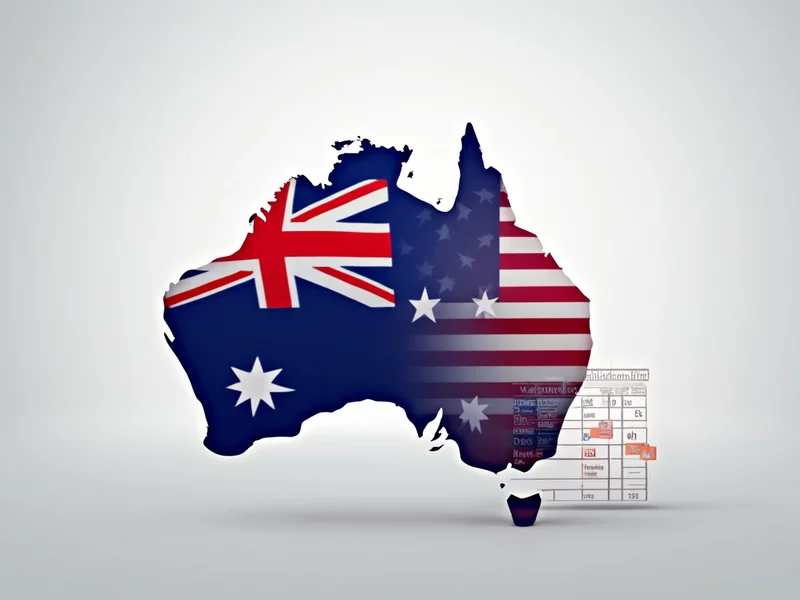
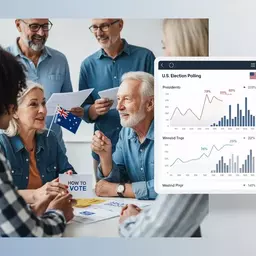
As you delve into the complexities of the US election cycle, consider how these processes echo beyond American borders. The implications ripple through international relations, shaping perceptions and policies in countries like Australia.
What You Will Learn
Phases of the US Election Cycle: Understand the critical stages from primaries to general elections and their significance.
Electoral Systems Comparison: Learn how the US Electoral College differs from Australia’s preferential voting system.
Campaign Dynamics: Discover how campaign regulations and financing impact the political landscape in both countries.
International Impact: Explore how US elections influence Australian policies and sentiments, especially in areas like immigration and trade.
US Election Cycle Stages & Electoral System Comparison
Understanding the multi-faceted US election cycle and its differences from the Australian system provides critical insight into global politics.
2. Nominating Conventions: Official candidate announcements.
3. General Election: Nationwide vote (first Tuesday after first Monday in Nov).
Each stage shapes candidates and global perceptions.
US vs. Australian Electoral Systems
Electoral Systems:US - Electoral College | Aus - Ranked-choice voting
Voting Methods:US - Flexible, less regulated | Aus - Mandatory, in-person/mail
Campaign Regs:US - Looser, high spending | Aus - Tighter controls
Key differences impact elections and global political landscapes.
Understanding the US Election Cycle from an Australian Perspective
As an Australian with a strong focus on global politics, I find the US election cycle to be a fascinating and complex process. It serves not just as a political event, but also as a critical element that impacts international relations. In this section, we’ll dive into the structure of the US election cycle, covering everything from primaries to the general election, while also drawing connections to what it means for us here in Australia.
Overview of the US Election Process
The US election cycle is multi-faceted, involving several key stages that govern how candidates are selected and how elections are conducted. The process begins with the primaries, where political parties nominate their candidates. This is followed by the nominating conventions, where the chosen candidates are officially announced. Finally, the cycle culminates in the general election, where voters across the nation make their voices heard.
Primaries: These can be open or closed, depending on the state, and are essential for deciding party nominees.
Nominating Conventions: Major parties gather to unify support for their chosen candidate, often featuring speeches and celebrations.
General Election: This is the decisive moment, held on the first Tuesday after the first Monday in November. For a detailed timeline of key dates in the US election cycle, you can refer to the National Archives' Electoral College key dates.
Understanding these phases helps Australian observers appreciate how candidates are shaped and the dynamics that influence their campaigns. Each phase has significant implications for both domestic and international audiences.
Key Differences Between US and Australian Elections
One of the most notable differences between US and Australian elections is the electoral system itself. While Australia uses a preferential voting system, the US employs a complicated system of Electoral College votes. This means that, unlike in Australia, voters in the US do not directly elect their President; instead, they vote for a slate of electors pledged to support their chosen candidate.
Electoral Systems: The US relies on the Electoral College, while Australia uses ranked-choice voting.
Voting Methods: Australians can vote both in person and by mail, with mandatory voting laws, in contrast to the more flexible but less regulated system in the US. The Election Assistance Commission (EAC) provides research and data on various voting methods and election administration in the US.
Campaign Regulations: The rules governing campaign financing and political advertising are much looser in the US, leading to significant spending differences. For a statistical overview of campaign activity, including spending, during the 2023-2024 election cycle, the Federal Election Commission (FEC) offers detailed summaries.
These differences not only affect how elections are conducted but also how political campaigns are crafted and received by the public. By recognizing these distinctions, Australians can better understand the implications of US elections on our own political landscape.
Major Issues Shaping the Upcoming US Election
As we look toward the upcoming elections, several pressing issues are at the forefront of both American and Australian minds. Let’s explore how these issues shape not just the US electoral landscape but also the international implications they carry.
We Want to Hear From You!
How do you think the upcoming US election will impact Australia? Share your thoughts below:
Frequently Asked Questions (FAQs)
What are the main stages of the US election cycle?
The main stages include primaries (where parties nominate candidates), nominating conventions (for official candidate announcements), and the general election (the nationwide vote in November).
How does the US electoral system differ from Australia's?
The US uses an Electoral College system, meaning voters elect a slate of electors who then vote for the President. Australia, in contrast, uses a preferential (ranked-choice) voting system where voters directly rank candidates.
Are campaign finance regulations the same in both countries?
No, campaign regulations are generally much looser in the US, leading to higher spending and different campaign dynamics compared to Australia, which has tighter controls.
How do US elections impact Australia?
US elections significantly impact Australia through various channels, including international relations, economic policies, trade agreements, and immigration policies. Changes in US leadership or policy can ripple globally and directly affect Australia's domestic landscape.
Where can I find more information about US election key dates and campaign activities?
Concluding Thoughts on the Implications of US Elections for Australians
As we wrap up our exploration of the US election cycle, it's essential to recognize the significant implications these elections hold for Australia. The intertwining of our economies, immigration policies, and international relations means that what happens in the US can ripple across the globe, affecting the Australian landscape in myriad ways. Understanding these connections is crucial for anyone keen on how global politics shapes their daily life.
From the rising interest in US immigration policies that directly influence Australian sentiments to the shared economic concerns that dominate election debates, this election cycle is more than just an American affair. It's a window into how our nations interact and respond to global challenges together!
Get Involved and Stay Informed
At Democracy Today, we encourage you to engage actively with the information we provide. Stay informed and share your thoughts on how you perceive these elections and their implications for Australia! The more we discuss these topics, the better equipped we become to understand our role in global governance.
Future Engagement Opportunities
Forums hosted by experts analyzing the latest US electoral trends
Webinars that dissect specific policies and their international ramifications
Discussion groups that foster conversations on electoral processes and voter engagement
Participating in these events can help broaden your understanding and connect you with others who share your interest in the political dynamics at play. Let's keep the conversation going and empower each other with knowledge!
Recap of Key Points
Here is a quick recap of the important points discussed in the article:
US Election Process: The election cycle consists of primaries, nominating conventions, and the general election, each with significant implications.
Electoral Systems: The US uses an Electoral College system, whereas Australia employs a preferential voting system, leading to different electoral dynamics.
Voting Methods: Australians have mandatory voting laws and can vote in person or by mail, contrasting with the more flexible US system.
Campaign Regulations: US campaign financing is less regulated, resulting in significant spending differences compared to Australia.
Global Implications: US elections impact Australian policies, especially in areas like immigration and trade, highlighting the interconnectedness of global politics.
Clara Whitfield
As a seasoned political analyst and journalist, I bring a unique lens to the intricate dance between American and Australian politics. With a background in international relations, I've spent years immersed in electoral trends, offering insights into the US election cycle's complexities. My mission? To educate and engage politically curious Australians, bridging the gap between global events and local impact.
Democracy Today is your dedicated Australian portal, meticulously tracking every phase of the US election cycle. We empower politically curious Australians, journalists, and students with balanced reporting and expert commentary on US electoral dynamics and their link to Australia’s political and economic landscape.
What do the latest US polling trends really tell us? Numbers can be deceiving, but they offer crucial glimpses into voter sentiment. Stay informed!
The Electoral College: complex, yes, but vital to understanding US election outcomes. Dive into our explainers to demystify its impact!
From trade to foreign policy, US elections ripple across the globe. Discover how their choices could impact Australia's economy and alliances.
Swing states are where elections are won and lost. We track voter demographics and campaign strategies in these battlegrounds. Don't miss a beat!
Beyond the headlines: our expert analysis breaks down complex political narratives into digestible insights for the curious Australian.
Understanding campaign finance is key. Who's funding whom, and what does it mean for policy? We connect the dots.
Media coverage shapes perception. Learn how different outlets frame the US election and what biases to watch for.
Candidate debates are pivotal moments. We provide timely recaps and analysis, highlighting key policy shifts and gaffes.
The role of technology in modern elections is growing. From social media campaigns to data analytics, we explore its influence.
Judicial appointments are a lasting legacy of any presidency. Understand the stakes and implications for US and global law.
From primaries to inauguration, each stage of the US election has its own unique dynamics. We guide you through every step.
International alliances are constantly shifting. Explore how US election outcomes could reshape global partnerships, including Australia's.
Don't just watch the news, understand it. Our in-depth articles offer context and clarity on the most pressing political issues.
Stay ahead of the curve with our expert predictions and scenario analyses. What if? We explore the possibilities.
From our founder, Clara Whitfield: "My aim is to empower Australians with the knowledge to navigate the complexities of international politics." Discover more insights today!