Age Groups
Different generations have unique priorities, with youth engagement rising on issues like climate policy and social justice.
Influential Group
Youth Voters
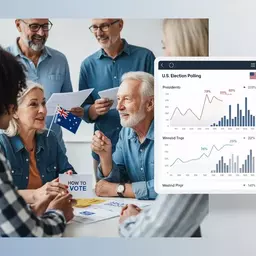
As we approach the 2024 US Presidential Election, understanding its implications is crucial not just for Americans but also for Australians. With changing voter demographics and evolving polling trends, this election could reshape international relations significantly. What can we learn from this upcoming political showdown?
Understanding these demographic indicators provides crucial insights into potential electoral outcomes and candidate strategies.
Different generations have unique priorities, with youth engagement rising on issues like climate policy and social justice.
Growing Hispanic and Black voter bases are reshaping political strategies, pushing candidates to address specific concerns.
Female voters show stronger inclination towards candidates advocating for equity and reproductive rights.
Increased loyalty along party lines and issue-centric voting create unexpected alliances and challenge traditional dynamics.
The upcoming 2024 US presidential election is more than just a political event; it represents a significant moment for both American and Australian citizens. As we look ahead, it's essential to contextualize the importance of this election and understand how it could impact international relations, especially for Australia. Given the rising interest in US politics among Australians, we at Democracy Today aim to break down these complexities.
Understanding the dynamics at play in this election can help Australian readers grasp the broader implications. With shifting voter demographics and evolving polling trends, the landscape is ripe for analysis. Let's dive deeper into the factors influencing the election and what they mean for our international perspectives.
Voter demographics serve as crucial indicators for predicting election outcomes. They provide insights into who is voting, why they're voting, and what issues resonate with them. Here’s a quick overview of some key demographic categories that are shaping the upcoming election:
By analyzing these demographics, we can better understand the voting landscape. For instance, shifts in youth voting patterns often signal what issues are most relevant to younger generations, which could sway election outcomes.
Polling trends are like a weather vane for elections; they can indicate which way the political winds are blowing. Understanding these trends is essential for predicting how the election may unfold. Polls not only reveal candidate standings but also highlight key issues driving voter decisions.
As we analyze current polling data, it’s important to discuss how these trends can predict potential shifts in voter sentiment. Just like weather forecasts aren't always accurate, polling data can change rapidly, influencing campaign strategies leading up to the election.
Demographic analysis offers a deeper understanding of the electorate. By examining various groups within the population, we can uncover critical insights that might affect the 2024 election. A detailed look at specific demographics is essential for grasping the complexities of voter behavior.
As we explore the implications of voter demographics and polling trends, we want to hear from you! What issues do you believe will be most influential in shaping the 2024 US Presidential Election? Share your thoughts below:
As we delve deeper into the 2024 US Presidential Election, understanding the key voter demographic trends becomes essential. These trends not only shape the electoral landscape but also dictate candidate strategies and campaign messaging. With insights gathered from various sources, including my analysis here at Democracy Today, we can see how these demographic shifts are paving the way for future elections.
The implications of these trends are profound. For instance, shifts in youth voting patterns indicate a growing interest in social issues and climate change, prompting candidates to adjust their platforms to resonate with younger voters. It's crucial for us to recognize how these changes might influence the electoral outcomes!
Voter demographics provide a roadmap for understanding future electoral behavior. Key groups such as young voters, racial minorities, and women are increasingly influential in determining election outcomes. Consider the following points regarding their potential impact:
As we analyze these trends, it's clear that future elections will be influenced by the extent to which candidates can connect with these diverse voter segments. The landscape is shifting, and understanding these dynamics is essential for any political analyst or enthusiast!
Partisan polarization has reached new heights in recent years, dramatically affecting how voters identify and align themselves with political parties. This polarization is evident in voting patterns and attitudes towards key issues. For example, voters are increasingly aligning themselves not only by party but also by socio-economic status and educational attainment. Here are key aspects to consider:
Recognizing the role of this polarization is vital for understanding how it will influence future elections. As a political analyst, I often reflect on how these divisions can impact not just the electoral outcomes but also the broader political discourse in Australia and beyond!
Here is a quick recap of the important points discussed in the article:
As a seasoned political analyst and journalist, I bring a unique lens to the intricate dance between American and Australian politics. With a background in international relations, I've spent years immersed in electoral trends, offering insights into the US election cycle's complexities. My mission? To educate and engage politically curious Australians, bridging the gap between global events and local impact.