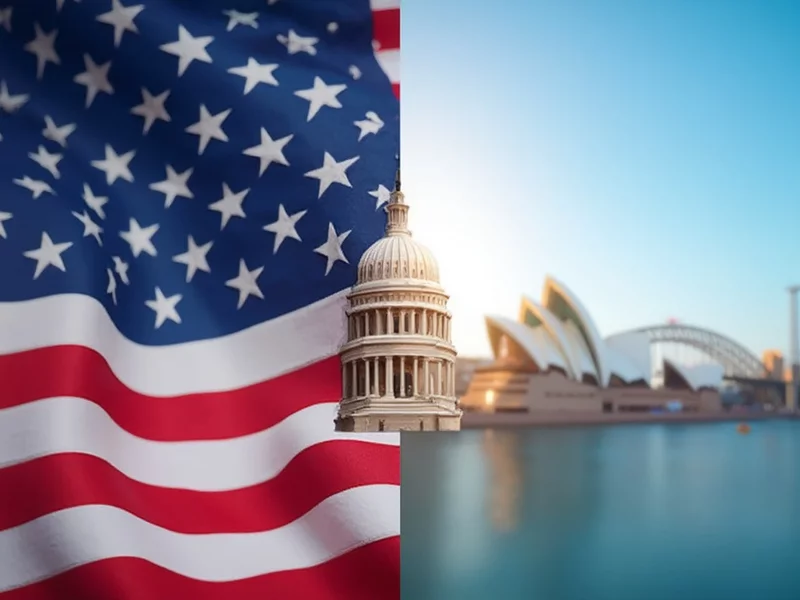
Trade Relations & Tariffs
US tariffs (e.g., steel/aluminium) directly impact Australian exports, leading to:
- • Increased costs for manufacturers
- • Potential job losses
- • Shifts in export competitiveness
Trade Dynamics
In the landscape of global economics, the intricate ties between US policies and the Australian economy often surprise many. For instance, did you know that changes in US tariffs can significantly impact local job markets and manufacturing costs in Australia? Understanding these connections is not just insightful but essential for navigating our economic future.
The following visual illustrates key areas where US economic policies influence Australia, focusing on trade, economic growth, and the strategies needed to adapt.
As we dive into the intricate world of global economics, it's essential to recognize how US economic policies play a crucial role in shaping the landscape of the Australian economy. Over the past few years, we’ve seen significant changes in trade dynamics, fiscal strategies, and market reactions, all of which directly impact our financial stability. Understanding these connections not only helps us navigate our current economic climate, but also empowers us to make informed decisions for the future.
In this section, we will explore the various dimensions of US economic policies and their ripple effects on Australia, particularly focusing on trade relations, economic growth, and how we can strategically adapt to these changes.
The current landscape of US economic policies is multifaceted, with numerous elements such as tax reforms, trade agreements, and monetary policy shifts influencing global markets. For example, policies aimed at stimulating the US economy can have both positive and negative repercussions worldwide. One of the main areas where we see this impact is in trade relations, particularly with countries like Australia.
By examining these aspects, we can better grasp how changes in US policies create a ripple effect that extends all the way to our shores. As Australians, it’s vital to stay informed about these developments to ensure we remain resilient in the face of economic transitions.
Let’s take a closer look at how US tariffs and trade dynamics are reshaping our economic interactions. Recently, tariffs imposed on steel and aluminium have had a significant impact on Australian exports. This change has triggered a reevaluation of our trade strategies and highlighted the importance of diversifying our economic relationships.
The implications of these tariffs are profound and far-reaching. Industries such as manufacturing and construction, heavily reliant on steel and aluminium imports, are feeling the heat. The consequences of these tariffs can manifest in several ways:
These challenges prompt a critical examination of how Australia can adapt to remain competitive in the global market.
Moreover, the evolving trade relationship between Australia and the US has sparked discussions among policymakers and business leaders alike. As Australia navigates its economic landscape, understanding the broader implications of trade deficits and tariffs is crucial. According to a report by the Congressional Research Service, the Australia-U.S. Free Trade Agreement (AUSFTA) has profoundly shaped this relationship, fostering significant trade and investment flows.
The future of Australia-US trade relations hinges on our ability to adapt and innovate in response to these ongoing shifts.
As we venture into understanding economic growth and inflation, it's vital to recognize that US fiscal policies do not exist in a vacuum. Changes in US fiscal policy can directly influence Australia's economic growth and inflation rates.
US fiscal policies, including spending and taxation, can have a profound effect on global demand. When the US economy expands, so does the demand for Australian goods and services. Conversely, restrictive immigration policies may stifle growth opportunities:
As these policies evolve, so too must our strategies to capitalize on growth opportunities.
Additionally, we cannot overlook how the inflationary pressures originating from US policies influence the Reserve Bank of Australia’s interest rate settings. When US inflation rates rise, it can lead to tighter monetary policies globally, creating a cycle that impacts our economy:
This interconnectedness emphasizes the need for ongoing monitoring of US economic actions and their implications for our local economy.
Finally, it's essential to explore the relationship between US monetary policy and Australia's inflation rates. Changes in the US Federal Reserve’s policy can reverberate through global markets, affecting various sectors within Australia. By analyzing these connections, we gain invaluable insights into the future of our economy. Research from The Australia Institute highlights how changes in interest rates and capital flows linked to US policy can significantly impact Australia's financial landscape.
In conclusion, as we continue to navigate these economic waters, it’s crucial for Australians to stay informed about the dynamic interplay between US policies and our economy. At Democracy Today, we aim to provide the insights and analyses needed to grasp these complexities fully.
US economic policies, such as tax reforms, trade agreements, and monetary policy shifts, directly influence Australia's trade dynamics, economic growth, and inflation rates. For example, US tariffs on goods like steel and aluminium can increase costs for Australian manufacturers and impact export competitiveness.
US tariffs, particularly on products like steel and aluminium, can lead to increased costs for Australian manufacturers, potential job losses in affected sectors, and shifts in market competitiveness for Australian exports. This necessitates a reevaluation of trade strategies and diversification of economic relationships.
US fiscal policies (spending and taxation) can influence global demand for Australian goods and services. Restrictive US immigration policies can impact the availability of skilled labor globally, potentially affecting Australia's labor market and investment flows. An expanding US economy generally boosts demand for Australian products.
Inflationary pressures originating from US policies can influence the Reserve Bank of Australia’s interest rate settings. When US inflation rises, it can lead to tighter global monetary policies, resulting in higher borrowing costs for Australian businesses, increased consumer prices, and adjustments in investment strategies.
Australian businesses can adopt several strategies, including diversifying supply chains to reduce reliance on US imports, investing in local innovation and research and development, and regularly monitoring US economic announcements to proactively adjust their strategies. This fosters a more flexible and responsive business environment.
Trade agreements are crucial for enhancing Australia’s economic resilience. Engaging effectively in trade negotiations allows Australia to access new markets, improve competitiveness through reduced tariffs, and strengthen economic partnerships, thereby safeguarding its economic future against international policy shifts.
How do you think US economic policies will continue to shape Australia's economic landscape in the coming years? Share your thoughts below:
As we look to the future, it’s crucial for Australia to develop a coherent geopolitical strategy that reflects the shifting landscape influenced by US economic policies. Understanding these dynamics isn't just about reaction; it’s about positioning ourselves strategically on the world stage. We need to consider how our alliances, trade partnerships, and domestic policies align with the broader global trends.
One key approach is enhancing our economic resilience by diversifying our trade relationships beyond traditional partners. This not only mitigates risks associated with US policy changes but also opens new avenues for growth. Think of it as broadening our economic horizons, so we’re not overly reliant on any single market, including the US.
By implementing these strategies, we can better navigate the complexities of global economics while ensuring that Australia remains a competitive player in the international arena.
For Australian businesses, adapting to the ongoing shifts in US economic policies is essential for sustaining growth and competitiveness. Here are some practical strategies that can help navigate these changes effectively:
By taking these steps, businesses can not only survive but thrive amid the uncertainties posed by changing US policies. The goal is to foster a flexible and responsive business environment that can adapt to emerging challenges.
Trade agreements play a pivotal role in shaping Australia’s economic resilience against US policy shifts. As we navigate this landscape, it's important to understand how these agreements can enhance our trade positions and secure our economic future. Engaging effectively in trade negotiations can lead to more favorable conditions for Australian exporters and protect vital sectors from adverse impacts.
There are several key benefits to consider:
By prioritizing trade agreements that align with our national interests, Australia can better position itself to handle the complexities of international trade while securing its economic future.
Here is a quick recap of the important points discussed in the article:
As a seasoned political analyst and journalist, I bring a unique lens to the intricate dance between American and Australian politics. With a background in international relations, I've spent years immersed in electoral trends, offering insights into the US election cycle's complexities. My mission? To educate and engage politically curious Australians, bridging the gap between global events and local impact.