Variety of Polling Organizations
The US has numerous entities conducting polls, each with unique methodologies and focus, creating a diverse data landscape.
Complex Data Sources
📊
In the ever-evolving world of politics, understanding the nuances of polling can be the key to grasping larger electoral dynamics. What if every number you see in the news held a story waiting to be uncovered?
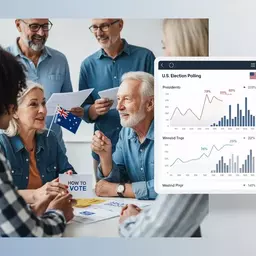
Understanding the nuances of US election polls is crucial for Australian journalists and students. This visual highlights three key areas to consider:
The US has numerous entities conducting polls, each with unique methodologies and focus, creating a diverse data landscape.
US political discourse is often shaped by unique cultural narratives that may not translate directly to Australian contexts.
Some polls are conducted with specific political agendas, potentially skewing results and public perception. Critical analysis is key.
Clarity on how polls are conducted ensures reliability of data, crucial for informed analyses of election outcomes.
As we delve into the world of US election polls, it's essential to recognize the significant differences in media coverage and public perception between Australia and the United States. Australian journalists and students often find themselves navigating a complex landscape where the interpretation of polling data can vary dramatically. This understanding is crucial for fostering informed discourse about the implications of US electoral dynamics on Australia.
The sheer volume of data available can be overwhelming. In Australia, we tend to focus on a few key metrics, while in the US, the media landscape is saturated with diverse polling organizations and methodologies. By exploring these differences, we can better appreciate how they shape our understanding of the electoral process.
To grasp the landscape of US elections, it’s vital to understand the following key aspects:
These facets illuminate why Australian perspectives on US elections might miss critical nuances. By understanding the polling landscape, we empower ourselves to engage more meaningfully with the data presented.
Polls play a crucial role in shaping the electoral process in the United States. They are not just tools for gauging public opinion; they can significantly influence voter decisions. For instance, when a candidate is leading in the polls, it can create momentum, often termed as the "bandwagon effect," where undecided voters may lean towards the perceived frontrunner.
Moreover, polls help candidates gauge public sentiment on key issues, allowing them to tailor their campaign strategies. This responsiveness to polling data ensures that candidates remain relevant and in tune with the electorate's needs. For a deeper understanding of the basics of public opinion polling, the Pew Research Center offers valuable insights.
Several organizations stand out in the field of US polling, each contributing in unique ways to public opinion data. Here are three major players:
These organizations not only shape public discourse but also influence how journalists and students interpret the evolving electoral landscape. Understanding their methodologies and the context of their findings is imperative for anyone engaged in the study of US politics.
As we explore the intricacies of poll interpretation, it’s essential to acknowledge the common challenges we face. Misunderstanding these complexities can lead to misinformed conclusions, potentially affecting our insights into US election outcomes. For general information on voting and elections in the US, resources like USA.gov can provide a broad overview.
At Democracy Today, I strive to break down these challenges and make polling data more accessible for Australians eager to understand the US electoral process. It’s not merely about numbers; it’s about understanding the stories they tell!
As we navigate the intricacies of US election polls, we're curious to know: How confident are you in your understanding of polling data? Share your thoughts below:
A1: Understanding US election polls is crucial for Australian journalists and students to grasp the nuances of US electoral dynamics, which can significantly impact international politics, including Australia's own political landscape.
A2: The US features a more diverse landscape of polling organizations with varied methodologies, and its political discourse is heavily shaped by unique cultural narratives, unlike Australia's more focused key metrics approach.
A3: US political discourse is often driven by unique cultural narratives, which may not directly translate to Australian contexts. This can lead to different interpretations of poll results and public perception.
A4: Partisan polling refers to polls conducted with a specific political agenda. Being aware of it is crucial because it can potentially skew results and public perception, requiring critical analysis to discern unbiased information.
A5: Polls can create a "bandwagon effect," where undecided voters may lean towards a perceived frontrunner. They also help candidates gauge public sentiment on key issues, allowing them to tailor campaign strategies and remain relevant.
A6: Key players include Gallup, known for tracking American attitudes; Pew Research Center, offering comprehensive analyses on social trends; and FiveThirtyEight, recognized for its data-driven statistical analysis and forecasts.
A7: Common challenges include misunderstanding polling methodologies, misinterpreting the margin of error, and not accounting for demographic representation, all of which can lead to misinformed conclusions about election outcomes.
A8: Resources include books analyzing past elections, podcasts with expert commentary on US electoral dynamics, and articles detailing the latest polling methodologies. The U.S. Election Assistance Commission also provides valuable information for new voters.
Understanding US election polls is essential for anyone who wants to grasp the intricacies of the electoral process, especially for journalists and students in Australia. Accurate interpretation of polling data allows us to make informed analyses about how these numbers influence public opinion and electoral outcomes. As a political analyst, I have seen how misinterpretations can lead to misguided conclusions, which is why it’s imperative to approach these figures critically.
Moreover, the way polls are conducted and reported can shape perceptions not just in the US but also across the globe. By recognizing the significance of polling data, we can better understand the interconnectedness of international politics. For us Australians, this awareness can enhance our discussions on how US elections impact our own political landscape.
These aspects are vital for journalists reporting on US elections, as they ensure the delivery of balanced narratives. At Democracy Today, we strive to break down these complexities for our audience, fostering a deeper understanding of how US electoral dynamics resonate within Australia.
As we delve into the evolving landscape of US elections, I invite you to seek out further resources and engage with ongoing discussions in this arena. There’s always more to learn about the nuances of polling and its implications for both American and Australian politics. Continuous learning will empower you to not just comprehend the numbers but also to contribute meaningfully to conversations about electoral trends.
At Democracy Today, we curate a wealth of resources tailored to enhance your understanding. Here are some recommendations to consider:
By engaging with these materials, you can deepen your knowledge and stay informed about how US elections impact not just American citizens but all of us who watch from afar. Let's keep the conversation going! Your insights and questions are always welcome at Democracy Today, where we aim to empower you with the knowledge you need to navigate the complexities of international politics.
Here is a quick recap of the important points discussed in the article:
As a seasoned political analyst and journalist, I bring a unique lens to the intricate dance between American and Australian politics. With a background in international relations, I've spent years immersed in electoral trends, offering insights into the US election cycle's complexities. My mission? To educate and engage politically curious Australians, bridging the gap between global events and local impact.