Voter Turnout: Racial and Ethnic Insights
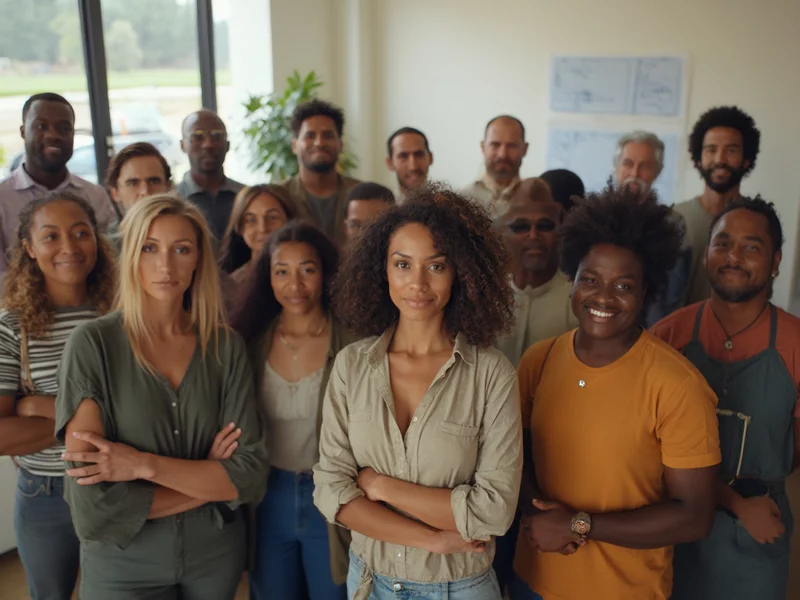
As we delve into the voting trends of the 2024 election, it's essential to recognize that shifts in voter participation resonate deeply within our society. The dynamics of these trends reveal not just who votes, but also the voices that are often left unheard. Understanding these insights is crucial for fostering engagement and shaping policies that truly reflect the needs of our diverse communities.
What You Will Learn
- Hispanic voters showed a marked increase in participation, indicating growing engagement within this community.
- Younger Black voters displayed increased enthusiasm, reflecting evolving political attitudes.
- Asian American voter turnout varied significantly among subgroups, each facing unique challenges and motivators.
- White voter participation shifted based on education levels, highlighting the influence of socioeconomic factors.
Key Voter Turnout Trends by Racial and Ethnic Groups (2024 Election)
The 2024 election cycle highlights evolving participation across various demographics. Below is a comparison of key groups and factors influencing their turnout.
Hispanic Voters: Increased Engagement
Significant increase in participation, particularly among younger voters in urban areas. Influenced by social and economic equality issues.
- Youth engagement high
- Higher education correlates to turnout
Black Voters: Resilient Turnout
Surge in young Black voter participation, especially in 2020, likely continuing. Driven by social justice concerns.
- Increased mobilization efforts
- Social media engagement
Asian American Voters: Diverse Dynamics
Complex variations among subgroups (Indian, Chinese, Vietnamese). Language barriers impact older immigrants.
- Education & economic status
- Community mobilization pivotal
White Voters: Education & Socioeconomics
Turnout correlates with education levels; higher education, higher engagement. Regional differences also play a role.
- Socioeconomic factors
- Education is critical
Overview of Voter Turnout Trends in the 2024 Election
Voter turnout is a crucial indicator of a healthy democracy. As we examine the trends for the 2024 election, it’s essential to understand how voter turnout varies among different racial and ethnic groups. By analyzing these trends, we can better appreciate the implications for our democratic processes and the future of electoral participation in Australia and beyond!
Studying these dynamics not only informs us about who is participating but also highlights the voices that might be missing from the conversation. Engaging with the data reveals a lot about our society and can help us understand the motivations behind voting behaviors.
Understanding Voter Turnout by Racial and Ethnic Groups
When we break down voter turnout by racial and ethnic groups, we uncover significant insights into our political landscape. Each group's participation rates can shed light on broader societal trends, reflecting issues such as representation and inclusivity. For instance, groups historically underrepresented in voting can signal shifts in political engagement, which is crucial for shaping policies that resonate with their needs.
- Gaining insights into participation helps address barriers to voting.
- Understanding turnout by demographics allows for targeted outreach efforts.
- Awareness of these trends fosters informed discussions about electoral equity.
These insights not only benefit policymakers but also engage citizens in meaningful dialogue about their role in the democratic process. At Democracy Today, we are committed to highlighting these dynamics, helping Australians comprehend how the U.S. electoral process impacts their own political environment.
Key Changes in Voting Patterns Compared to Previous Elections
As we look at the voter turnout for the 2024 election, it’s fascinating to see how it compares to previous years, particularly 2016 and 2020. Shifts in participation rates among various racial and ethnic groups reveal evolving political attitudes and priorities. For example, many forecasts suggest a significant increase in turnout among younger voters, particularly those from Hispanic and Black communities. Research from the CIRCLE at Tufts University highlights these distinct trends in youth voter engagement across different racial and ethnic backgrounds.
- In 2016, turnout was notably lower among younger voters compared to older demographics.
- The 2020 election saw a rise in participation rates driven by social movements.
- Early data for 2024 indicates a further increase, particularly among minority groups excited about key issues.
Tracking these changes is critical. It helps us understand not just who is voting, but why certain groups feel more compelled to engage in the electoral process. This is vital for shaping future campaigns and policy discussions.
Detailed Breakdown of Voter Turnout by Racial and Ethnic Groups
Analysis of Hispanic Voter Turnout
When examining Hispanic voter turnout, several demographic factors come into play. Age, gender, and education levels significantly influence participation. Younger Hispanic voters tend to show high engagement, particularly in urban areas where community organizations mobilize efforts.
- Younger voters are often more passionate about social and economic equality.
- Education plays a key role; those with higher education levels report higher turnout.
- Gender dynamics also affect turnout, with women generally showing higher participation rates.
Understanding these factors not only aids in predicting voter behavior but also emphasizes the importance of targeted voter education initiatives. At Democracy Today, I find it fascinating to follow these trends, especially as they impact Australian perspectives on global electoral trends.
Trends Among Black Voters
Black voter turnout has shown remarkable resilience over the past few elections. The 2020 election demonstrated a surge in participation among young Black voters, and early indicators suggest this trend may continue into 2024. Factors influencing these shifts include regional variations and community outreach efforts that resonate with concerns surrounding social justice and equality. For a deeper understanding of these patterns, the Brennan Center for Justice provides valuable insights into growing racial disparities in voter turnout.
- Increased mobilization efforts in urban areas have boosted turnout.
- Younger voters are increasingly engaged through social media and grassroots movements.
- Regional differences highlight varying levels of engagement, especially between southern and northern states.
This data is crucial not only for understanding voting habits but also for predicting how these trends will shape future elections. Engaging with these insights is part of my mission at Democracy Today, as we explore their relevance for Australians observing the U.S. election cycle.
Asian American Voter Turnout Dynamics
Asian American voter turnout presents a complex landscape with significant variations among subgroups such as Indian, Chinese, and Vietnamese voters. Each group has unique challenges and motivators that shape their participation rates. For instance, language barriers can have a substantial impact on voter engagement, particularly among older immigrants.
- Education and economic status often correlate with higher turnout rates.
- Community organizations play a pivotal role in mobilizing voters.
- Subgroup differences highlight diverse political priorities and issues.
By delving into these dynamics, we gain a deeper understanding of how different communities engage with the electoral process. This exploration is vital for democracy and offers insights that resonate with my commitment to fostering informed discussions about American politics in Australia.
Understanding the White Voter Demographic
The voting patterns of White voters reveal significant differences based on education and socioeconomic status. Recent data indicates that higher education levels correlate with increased turnout, while those with lower educational backgrounds may show less engagement. This disparity raises important questions about representation and the factors that motivate these voters. The Economic Policy Institute (EPI) offers a comprehensive chartbook on disparities, which further illustrates these socioeconomic influences on voter engagement.
- Socioeconomic factors can either facilitate or hinder participation.
- Education is a critical factor; more educated individuals tend to vote more consistently.
- Regional differences may also play a role in shaping attitudes towards voting.
Understanding these patterns is crucial for strategizing outreach efforts aimed at increasing voter engagement among this demographic. At Democracy Today, I enjoy analyzing how these trends impact the overall election landscape.
Youth Voting Patterns by Race and Ethnicity
Youth voter turnout is particularly fascinating, as it varies widely among different racial and ethnic groups. Recent trends indicate that younger voters are becoming more politically active, especially in urban settings. This shift raises pertinent questions about how their unique experiences shape their voting behaviors.
- Urban youth are often more engaged, spurred by social movements.
- Rural youth face different challenges that may affect turnout.
- Peer influence and community engagement play significant roles.
By exploring these dynamics, we can better understand the future of voting in America and how similar patterns might be seen in Australia. It’s exciting to consider the potential impact of this engaged generation!
Registered Voters and Turnout Rates: A Statistical Overview
Analyzing registered voters and turnout rates across different demographics provides valuable insights into electoral engagement. Recent data from the Census Bureau indicates notable disparities in participation rates, underscoring the importance of targeted outreach initiatives.
- Turnout rates often differ significantly by demographic factors such as age and education.
- Subgroup analyses reveal particular communities that may need additional support to engage.
- Understanding these statistics allows for more effective mobilization strategies.
This statistical overview not only aids in comprehending current trends but also informs future efforts to increase voter participation across all demographics. At Democracy Today, we strive to connect these insights to the broader discussions happening within Australian political circles.
Interactive Poll: Your Thoughts on Voter Engagement
As we delve into the factors influencing voter turnout, we’d love to hear your perspective! Which aspect do you think has the most significant impact on voter engagement in upcoming elections?
Frequently Asked Questions About 2024 Election Voter Turnout
Q: How did Hispanic voter participation change in the 2024 election?
A: Hispanic voters showed a marked increase in participation, particularly among younger voters in urban areas, driven by social and economic equality issues.
Q: What were the key trends among Black voters in 2024?
A: There was a surge in young Black voter participation, continuing a trend from 2020. This engagement is often driven by social justice concerns and increased mobilization efforts, particularly in urban areas.
Q: What factors influenced Asian American voter turnout?
A: Asian American voter turnout showed complex variations among subgroups (Indian, Chinese, Vietnamese). Factors like education, economic status, and community mobilization played significant roles, while language barriers impacted older immigrants.
Q: How did education levels affect White voter participation?
A: White voter turnout correlated with education levels, with higher education leading to higher engagement. Regional and socioeconomic differences also influenced participation.
Q: Are younger voters more engaged in the 2024 election?
A: Yes, recent trends indicate that younger voters, especially those from Hispanic and Black communities and those in urban settings, are becoming more politically active and engaged.
Key Takeaways from the 2024 Election Voter Turnout Analysis
As we look at the voter turnout trends from the 2024 election, several key findings emerge that are crucial for understanding the electoral landscape. Voter participation has shown significant fluctuations across various demographics, indicating evolving political attitudes that could shape future elections. Here’s what we discovered:
- Hispanic voters demonstrated a marked increase in participation compared to previous elections, suggesting a growing engagement within this community.
- Black voters displayed varying turnout rates, with younger generations showing more enthusiasm than previous cohorts.
- The Asian American demographic revealed diverse turnout behaviors, with certain groups like Indian and Chinese voters stepping up notably.
- White voter turnout exhibited shifts based on education levels, highlighting the influence of socioeconomic factors.
These trends illustrate how important it is for political campaigns to address the specific needs and concerns of these diverse groups. As we continue to analyze these changes, it becomes evident that the implications for future elections are profound, with both opportunities and challenges ahead.
Engaging with the Data: Visual Insights and Resources
Utilizing Charts and Maps to Understand Turnout Trends
Visual data can often provide insights that numbers alone cannot. By utilizing charts and maps, we can better grasp voter turnout trends across different racial and ethnic groups. For instance, interactive maps showing turnout by state can illustrate regional differences that are critical for strategizing future campaigns.
- Charts depicting turnout rates by demographic, highlighting key shifts since the last election.
- Heat maps that showcase areas with the highest voter engagement, aiding in targeted outreach efforts.
- Graphs comparing turnout rates across elections, which help visualize trends over time.
Through these visual tools, we can enhance our understanding of voter dynamics and tailor our approaches to improve participation in upcoming elections.
Further Reading and Resources for Voter Engagement
For those looking to dive deeper into the topic of voter turnout and engagement, numerous resources are available. Democracy Today is committed to fostering informed discourse, and we encourage you to explore the following resources:
- U.S. Census Bureau: Voting and Registration Data - Comprehensive statistics on voter registration and turnout.
- Brennan Center for Justice: 2020 Election Report - Insights into voting trends and reforms.
- National Association of Secretaries of State: Can I Vote? - A helpful resource for understanding state-specific voting regulations.
These links provide valuable information that can assist in better understanding the complexities of voter turnout and the importance of civic engagement.
Encouraging Participation: How to Get Involved in Future Elections
As the 2024 election cycle wraps up, it's vital for all of us to look ahead and think about how we can encourage greater participation in future elections. Whether it’s by volunteering for campaigns, educating friends about voting, or simply being an informed voter, every action counts! Here are a few ways you can get involved:
- Join local advocacy groups focused on voter registration and education.
- Attend community events that discuss electoral issues and mobilization strategies.
- Use social media platforms to raise awareness about upcoming elections and the importance of voting.
At Democracy Today, we believe that informed and active citizens are the backbone of a healthy democracy. Let’s work together to ensure that every voice is heard in future elections!
Recap of Key Points
Here is a quick recap of the important points discussed in the article:
- Voter turnout varies significantly among different racial and ethnic groups, highlighting the need for targeted outreach efforts.
- Younger voters, particularly from Hispanic and Black communities, are showing increased engagement in the 2024 election.
- Education and socioeconomic status play crucial roles in influencing voter turnout across demographics.
- Visual data tools are essential for understanding turnout trends and can aid in strategizing future campaigns.
- Community engagement is vital for improving voter participation rates, especially among underrepresented groups.

Clara Whitfield
As a seasoned political analyst and journalist, I bring a unique lens to the intricate dance between American and Australian politics. With a background in international relations, I've spent years immersed in electoral trends, offering insights into the US election cycle's complexities. My mission? To educate and engage politically curious Australians, bridging the gap between global events and local impact.
Popular Posts
US Election Polling Insights for Australia
![US Election Polling Trends 2024–2028: What Australia Needs to Know]() As we delve into the intricate dynamics of the upcoming US elections, it's essential to recognize ho
As we delve into the intricate dynamics of the upcoming US elections, it's essential to recognize ho
 As we delve into the intricate dynamics of the upcoming US elections, it's essential to recognize ho
Household Income and Election Results
![The Impact of Household Income on US Election Outcomes: A Breakdown of Voter Demographics]() As we approach the next election cycle, understanding the intricate relationship between household i
As we approach the next election cycle, understanding the intricate relationship between household i
 As we approach the next election cycle, understanding the intricate relationship between household i
Understanding Gender Gaps in Voting
![Unpacking the Gender Gap in US Elections: Voter Turnout and Preference Analysis]() How often do we stop to consider the profound impact of gender on our political landscape? Examining
How often do we stop to consider the profound impact of gender on our political landscape? Examining
 How often do we stop to consider the profound impact of gender on our political landscape? Examining
US Tariffs and Taxes: Australian Impact
![Expert Analysis: Will US Tariffs and Tax Cuts Impact Australian Consumers and Investors?]() As we navigate the complex waters of international trade, consider how shifting tariffs might influe
As we navigate the complex waters of international trade, consider how shifting tariffs might influe
 As we navigate the complex waters of international trade, consider how shifting tariffs might influe
