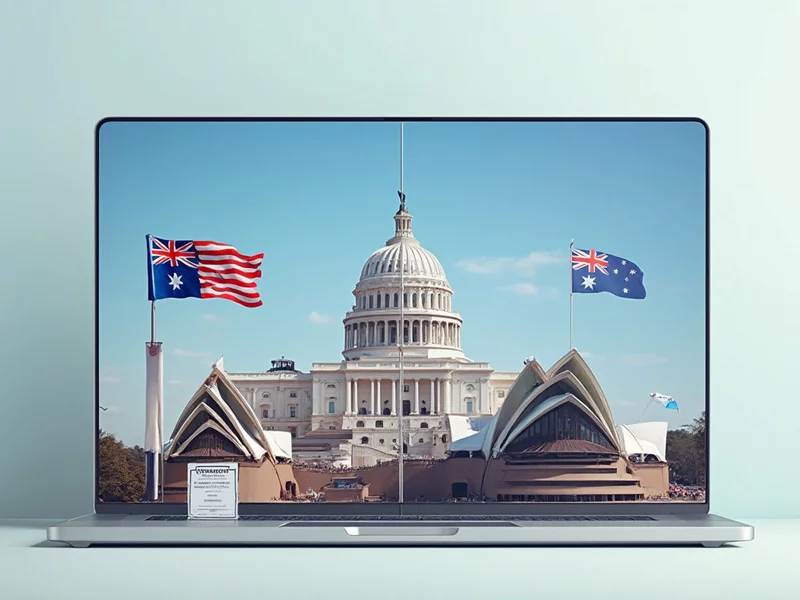
Geopolitical Stability & China Relations
US election results directly influence diplomatic strategies toward China, impacting Australian trade and security.
Direct Impact
High
In today's interconnected world, understanding the influence of US elections on Australia is more vital than ever. How might the political landscape across the Pacific reshape our own policies? The implications are profound, and staying informed could very well safeguard our interests.
The relationship between the US and Australia is complex and multifaceted, with US election outcomes significantly influencing Australian foreign policy, trade, and security. Below, we highlight the key areas of impact.
US election results directly influence diplomatic strategies toward China, impacting Australian trade and security.
Changes in US leadership can influence trade policies, affecting Australian industries and economic stability.
US military policies define the strength of alliances like AUKUS, crucial for regional stability and defense capabilities.
Shared security interests and collaborative efforts on climate change are highly dependent on US leadership.
With the complex relationship between the United States and Australia, it's no surprise that many readers are eager to gain insights into how US elections impact Australian interests. The interplay of politics in one nation often ripples across the globe, and Australia is particularly attuned to these dynamics. So, why do we feel the need to understand this correlation? Well, it's about more than mere curiosity—it's about safeguarding our own political and economic well-being!
As we delve into the nuances of US-Australia relations, it’s important to consider the questions that drive this interest. Australians are not just passive observers; they want to know how electoral outcomes in the US could reshape our foreign policy, trade agreements, and security partnerships. Here are some common motivations behind this curiosity:
By recognizing these motivations, we can better appreciate why Australian readers are keen to stay informed about the US electoral cycle. The implications are vast, and as we've seen in past elections, even minor changes can lead to significant shifts in our own policies and strategies.
The AUKUS pact represents a pivotal moment in the security landscape of the Indo-Pacific region. As a journalist and political analyst, I can attest to how this trilateral security arrangement between Australia, the UK, and the US reshapes military collaborations and defense strategies. The presence of AUKUS not only enhances our military capabilities but also solidifies our commitment to maintaining regional stability.
With AUKUS at the forefront, we see several key benefits that arise for Australia:
In this current geopolitical context, AUKUS serves as a vital framework to navigate the complexities of international relations. As we look ahead, understanding how US elections influence such strategic partnerships will be crucial for Australia.
The outcomes of US elections invariably shape Australia's position in the Indo-Pacific region. As we assess this influence, it becomes clear that a change in administration can lead to different foreign policies toward China, affecting our economic and security landscape. For instance, how might an election result shift US attitudes toward China, and what does that mean for us?
Let’s break down the long-term implications:
By understanding these factors, we can better prepare for the geopolitical realities that shape our place in the world. For further insights into Australia's foreign policy choices, you can refer to analysis from Chatham House.
The US-Australia bilateral relationship is a cornerstone of our foreign policy strategy. As we examine how this relationship influences policy decisions, it’s essential to recognize the depth of collaboration between our nations. From trade to environmental policies, the bilateral ties remain strong and critical.
Key areas of impact include:
Understanding the dynamics of this relationship can empower Australians and shape how we approach future policy discussions. As we remain engaged with US election outcomes, we must keep our eyes on how these factors will continue to evolve. For a comprehensive overview of Australia's international relations, explore the Australia in the World 2025 Snapshot.
According to a recent study, 70% of Australians believe that the outcomes of US elections significantly affect their country's foreign policy decisions. This statistic underscores the importance of staying informed about the electoral process across the Pacific.
A: US election outcomes significantly influence Australia's foreign policy by potentially shifting diplomatic strategies, trade agreements, and security partnerships, particularly concerning relations with countries like China.
A: The AUKUS pact is a trilateral security arrangement between Australia, the UK, and the US. It's crucial for Australia as it enhances defense capabilities through access to advanced technologies, strengthens alliances, and improves intelligence sharing, all vital for regional stability.
A: Changes in US administration can directly influence trade policies and diplomatic strategies towards major economic partners like China. These shifts can affect Australian industries and overall economic stability, necessitating a recalibration of trade relations.
A: Bilateral relations are a cornerstone of both nations' foreign policy. Strong ties influence trade agreements, security policies, and collaborative efforts on global issues such as climate change, making policy alignment highly dependent on US leadership changes.
A: Staying informed about US elections is crucial because their outcomes have direct and significant implications for Australia's foreign policy, economic well-being, defense strategies, and overall position in the global geopolitical landscape.
Understanding the impact of US elections on Australian interests isn't just an academic exercise; it's crucial for anyone navigating today’s interconnected world. As we've explored, the outcomes of US elections resonate deeply within Australia, shaping everything from foreign policy to trade agreements. This dynamic relationship underscores the importance of paying attention to the electoral processes across the Pacific.
In reflecting on this relationship, we see that the strategic importance of US-Australia relations cannot be overstated. With each election cycle, shifts in political climate can lead to significant changes in how both countries engage with one another. Recognizing these patterns allows us to anticipate future movements in international relations.
These key takeaways illustrate just how interconnected the political landscapes of the US and Australia are. It’s not merely about who wins an election; it’s about the broader implications that victory or defeat brings to both nations. As we move forward, it’s crucial to stay attuned to these developments.
As we look to the future, the trajectory of US-Australia relations is bound to evolve in response to global changes. The ongoing shifts in the geopolitical landscape—driven by rising powers like China, changing US foreign policy, and the growing importance of multilateral agreements—will undoubtedly shape our bilateral relationship.
Additionally, with increasing public awareness and engagement around international politics, both governments will need to consider public sentiment more closely. Understanding how these factors intermingle will be crucial for effectively navigating the complexities ahead.
At Democracy Today, we value your insights! How do you perceive the influence of US elections on Australia? Your experiences and thoughts can significantly enrich the discussion. Whether you’re a student, journalist, or just politically curious, your perspective matters.
Staying informed about US elections is more important than ever! I encourage you to follow the latest developments and analyses provided by Democracy Today. By keeping an eye on the electoral landscape, you can better understand the implications for Australian policy and our role in the global arena. Let’s continue this conversation and build a more informed community together!
Here is a quick recap of the important points discussed in the article:
As a seasoned political analyst and journalist, I bring a unique lens to the intricate dance between American and Australian politics. With a background in international relations, I've spent years immersed in electoral trends, offering insights into the US election cycle's complexities. My mission? To educate and engage politically curious Australians, bridging the gap between global events and local impact.