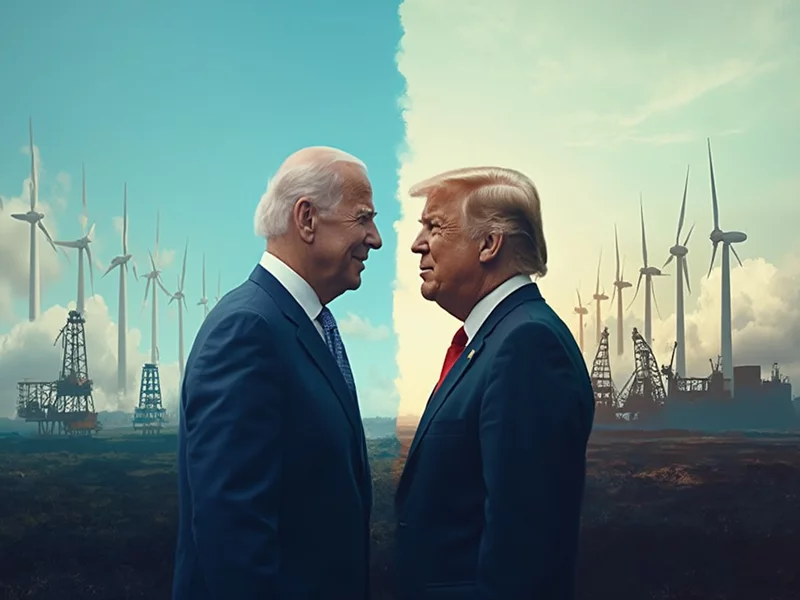
What if the future of our planet hinged on the choices made in a political arena? Climate policies significantly impact not only national landscapes but global environments as well. Understanding the contrasting approaches of leaders, such as Biden and Trump, reveals the stakes involved in climate discourse.
What You Will Learn
Biden prioritizes clean energy and emission reductions, reflecting a commitment to global sustainability.
Trump's policies favor fossil fuel expansion and deregulation, aiming for economic growth in traditional energy sectors.
Biden actively engages in international climate agreements, while Trump withdrew from such commitments, impacting global cooperation.
The EPA under Biden is focused on enforcing stricter emissions standards, contrasting sharply with the regulatory rollbacks seen during Trump's administration.
Australia's climate strategy is influenced by U.S. policies, affecting trade, energy exports, and international relations.
Comparing Climate Policies: Biden vs. Trump
The climate policies of Joe Biden and Donald Trump represent fundamentally different visions for America’s climate strategy, impacting global efforts and nations like Australia. Below is a comparison of their key approaches.
Biden's Approach
✓Clean Energy Transition (e.g., Inflation Reduction Act)
✓Rejoined Paris Agreement
✓Increased Government Intervention
✓EPA Enforces Stricter Emissions Standards
✓Significant Investment in Renewables
Focus: Clean Energy & Emission Reductions
Trump's Approach
✖Fossil Fuel Expansion
✖Withdrawal from Global Climate Agreements
✖Emphasis on Deregulation
✖EPA Regulatory Rollback
✖Prioritized Domestic Fossil Fuel Interests
Focus: Fossil Fuels & Deregulation
Understanding the Landscape of Climate Policies: Biden vs. Trump
Climate policies are a significant aspect of political discourse, especially in the context of U.S. elections. As we delve into the contrasting approaches of Joe Biden and Donald Trump, it's essential to understand their priorities and methodologies. In my analysis, it's clear that these two leaders represent fundamentally different visions for America’s climate strategy.
The differences between their approaches can be distilled into their respective priorities: Biden’s focus on clean energy and emission reductions stands in stark contrast to Trump’s preference for fossil fuels and deregulation. These choices not only reflect their political philosophies but also have profound implications for global climate efforts.
Key Differences in Climate Approaches
Government Intervention: Biden advocates for increased government intervention to promote clean energy.
Fossil Fuel Expansion: Trump emphasizes deregulation and support for traditional fossil fuels.
International Cooperation: Biden is committed to global climate agreements, while Trump famously withdrew from such commitments.
These fundamental differences present a clear dichotomy in how each administration views the role of the U.S. in shaping climate policy both domestically and internationally. Engaging with these policies helps us better understand the ripple effects they create—especially for nations like Australia.
Biden’s Commitment to Clean Energy and Emission Reductions
President Biden’s climate agenda is ambitious and reflects a strong commitment to clean energy. His administration has made significant strides with initiatives like the Inflation Reduction Act, which aims to accelerate the transition to renewable energy sources. This act includes provisions for expanding solar and wind energy, which align with global sustainability goals. The resilience of the Biden administration's climate policy, even amidst political shifts, underscores its long-term vision for a sustainable future.
Moreover, Biden's adherence to the Paris Agreement underscores his administration’s dedication to reducing emissions. By rejoining this international pact, the U.S. signaled its intent to meet specific climate targets, which ultimately benefits not just Americans but the global community as well. The Biden administration has been actively tracking its climate action progress, demonstrating a transparent approach to its environmental goals.
Trump’s Focus on Fossil Fuels and Deregulation
In contrast, Donald Trump's approach was characterized by a robust focus on fossil fuel expansion. Under his administration, policies aimed at deregulation were prevalent, facilitating increased oil and gas extraction. This strategy was not only about energy independence but also about boosting the economy, especially in coal-rich regions of the U.S.
Additionally, Trump's withdrawal from global climate agreements highlighted a significant pivot away from international cooperation. By prioritizing domestic fossil fuel interests, his policies often disregarded the long-term implications for climate change, both in the U.S. and abroad.
The Role of the Environmental Protection Agency (EPA) in Climate Policy
The Environmental Protection Agency (EPA) plays a crucial role in shaping climate regulations. Under Biden, the EPA has reinvigorated its commitment to enforcing stricter emissions standards, which is a vital step towards achieving overall emission reduction targets. This renewed focus reflects a significant shift from the previous administration.
On the other hand, Trump's tenure saw the EPA’s regulatory rollback, which effectively weakened many existing climate protections. This shift posed challenges to emission control and highlighted the struggles of balancing economic growth with environmental responsibility.
We Want to Hear From You!
As we explore the critical differences between Biden and Trump's climate policies, we want to know your thoughts! Which approach do you believe will have a more significant impact on Australia’s climate future? Share your perspective below:
Summarizing the Stakes: What’s at Risk for Australia?
As we dive deeper into the climate policies of Joe Biden and Donald Trump, it's essential to assess the stakes for Australia. Both administrations present vastly different visions for climate action, and these differences carry significant implications for our nation's future. The impact of U.S. climate policies extends beyond borders, influencing not just trade but also environmental commitments and energy security.
To summarize, here are the crucial elements of each leader's approach:
Biden's Focus: Clean energy transition, rejoining the Paris Agreement, and significant investment in renewable energy.
Trump's Strategy: Support for fossil fuels, deregulation, and withdrawal from international climate agreements.
Impacts on Australia: Changes in energy exports, shifts in market demand, and potential for altered diplomatic relations.
These contrasting policies highlight a broader conversation about climate change and its far-reaching consequences. The stakes are high, and understanding these dynamics helps us navigate the complexities of global politics and their effects on our lives in Australia.
Frequently Asked Questions (FAQs)
Biden's policies prioritize clean energy transition, emission reductions, and engagement in international climate agreements like the Paris Agreement. Trump's policies, conversely, favor fossil fuel expansion, deregulation, and withdrawal from such global commitments.
Biden's administration promotes clean energy through initiatives like the Inflation Reduction Act, which provides provisions for expanding renewable energy sources such as solar and wind, and significant investment in sustainable technologies.
Donald Trump's administration famously withdrew the U.S. from the Paris Agreement, emphasizing domestic fossil fuel interests over international cooperation on climate change.
U.S. climate policies significantly influence Australia through changes in energy exports, shifts in global market demand for energy, and potential alterations in diplomatic relations concerning environmental commitments.
Under Biden, the EPA is focused on enforcing stricter emissions standards to achieve reduction targets. In contrast, Trump's tenure saw regulatory rollbacks that weakened existing climate protections.
Engaging with Climate Change: Call for Action
At Democracy Today, we believe that staying informed about climate policies is vital for all Australians. As we witness the ongoing debates and changes in U.S. climate strategies, it’s crucial for us to engage in discussions that shape our collective future. Each of us can contribute by advocating for sound climate policies and holding our leaders accountable.
Here are some ways to get involved:
Stay updated on climate news and policies.
Participate in local discussions and forums related to climate action.
Support renewable energy initiatives in your community.
Advocate for transparency and accountability from policymakers.
By being proactive, we can ensure that Australia is not only prepared for the challenges posed by climate change but also positioned to thrive in a sustainable future. Let's work together to foster informed discourse and advocate for policies that positively impact our environment and economy!
Recap of Key Points
Here is a quick recap of the important points discussed in the article:
Biden's Climate Strategy: Focuses on clean energy, emission reductions, and rejoining international climate agreements like the Paris Agreement.
Trump's Climate Approach: Prioritizes fossil fuel expansion and deregulation, along with withdrawing from global climate commitments.
EPA's Role: Under Biden, the EPA enforces stricter emissions standards, while Trump's administration rolled back many existing climate protections.
Implications for Australia: U.S. climate policies affect energy exports, market demands, and diplomatic relations with Australia.
Call to Action: Stay informed, engage in discussions, and advocate for sound climate policies to foster a sustainable future.
Clara Whitfield
As a seasoned political analyst and journalist, I bring a unique lens to the intricate dance between American and Australian politics. With a background in international relations, I've spent years immersed in electoral trends, offering insights into the US election cycle's complexities. My mission? To educate and engage politically curious Australians, bridging the gap between global events and local impact.
Democracy Today is your dedicated Australian portal, meticulously tracking every phase of the US election cycle. We empower politically curious Australians, journalists, and students with balanced reporting and expert commentary on US electoral dynamics and their link to Australia’s political and economic landscape.
What do the latest US polling trends really tell us? Numbers can be deceiving, but they offer crucial glimpses into voter sentiment. Stay informed!
The Electoral College: complex, yes, but vital to understanding US election outcomes. Dive into our explainers to demystify its impact!
From trade to foreign policy, US elections ripple across the globe. Discover how their choices could impact Australia's economy and alliances.
Swing states are where elections are won and lost. We track voter demographics and campaign strategies in these battlegrounds. Don't miss a beat!
Beyond the headlines: our expert analysis breaks down complex political narratives into digestible insights for the curious Australian.
Understanding campaign finance is key. Who's funding whom, and what does it mean for policy? We connect the dots.
Media coverage shapes perception. Learn how different outlets frame the US election and what biases to watch for.
Candidate debates are pivotal moments. We provide timely recaps and analysis, highlighting key policy shifts and gaffes.
The role of technology in modern elections is growing. From social media campaigns to data analytics, we explore its influence.
Judicial appointments are a lasting legacy of any presidency. Understand the stakes and implications for US and global law.
From primaries to inauguration, each stage of the US election has its own unique dynamics. We guide you through every step.
International alliances are constantly shifting. Explore how US election outcomes could reshape global partnerships, including Australia's.
Don't just watch the news, understand it. Our in-depth articles offer context and clarity on the most pressing political issues.
Stay ahead of the curve with our expert predictions and scenario analyses. What if? We explore the possibilities.
From our founder, Clara Whitfield: "My aim is to empower Australians with the knowledge to navigate the complexities of international politics." Discover more insights today!